Princeton, NJ · Garage Door Service
Openers, Power Outages, and the Houses Around Princeton
How Princeton's 1960s-era housing stock and cold winters affect garage door openers during power outages, and what actually drives repair costs here.
- Repairs & new doors
- Springs & openers
- Serving 7 nearby communities
How Local Conditions Play In
Most houses in the areas we run calls in - Kingston, Montgomery, Skillman, Hopewell, and the rest of the 61 named areas we track - went up between 1938 and 2004, with the bulk of that stock dating to the 1960s and 70s. That matters for openers because a lot of those garages still have the original wiring run, a single outlet on its own circuit, sometimes shared with a freezer or sump pump. When the power drops in a cold snap, those circuits are already carrying more than they were built for, and the opener is often the oldest motor on the line.
The climate band here is cold and severe, which means the ice storms and sustained freezes that knock out power also tend to happen on the same nights the garage door gets used hardest - someone pulling in late, someone trying to get a car out before a plow comes through. An opener that's fine in October can bind up in January once the cold tightens the chain or belt and thickens the grease in the gearbox. Houses from the 1960s and 70s rarely have insulated garage doors to begin with, so the opener is working against a colder space than a newer build would have.
None of this is a defect in any one door. It's what you get when a few decades of housing stock meets a climate that doesn't let up.
What It Costs
We're not going to put a number here we can't back up - it depends on the opener, whether it's chain or belt, and whether the circuit itself needs work, and we don't have pricing figures to quote you honestly. What we can tell you is what drives the cost up or down.
If the opener itself is original to a 1960s or 70s build, you're often not just replacing a motor - you're dealing with mounting hardware and wiring that predates modern code, which adds labor before the new unit even goes in. If the house is newer, built closer to 2004, the job is usually a straight swap.
Battery backup is the other variable. Given how often a cold-weather outage lines up with the exact night you need the door to work, a backup unit is worth asking about specifically - it's an add-on cost, not something bundled into a basic opener install, and whether it makes sense depends on how often your block loses power, which we can't speak to for your specific street.
The Common Mistake
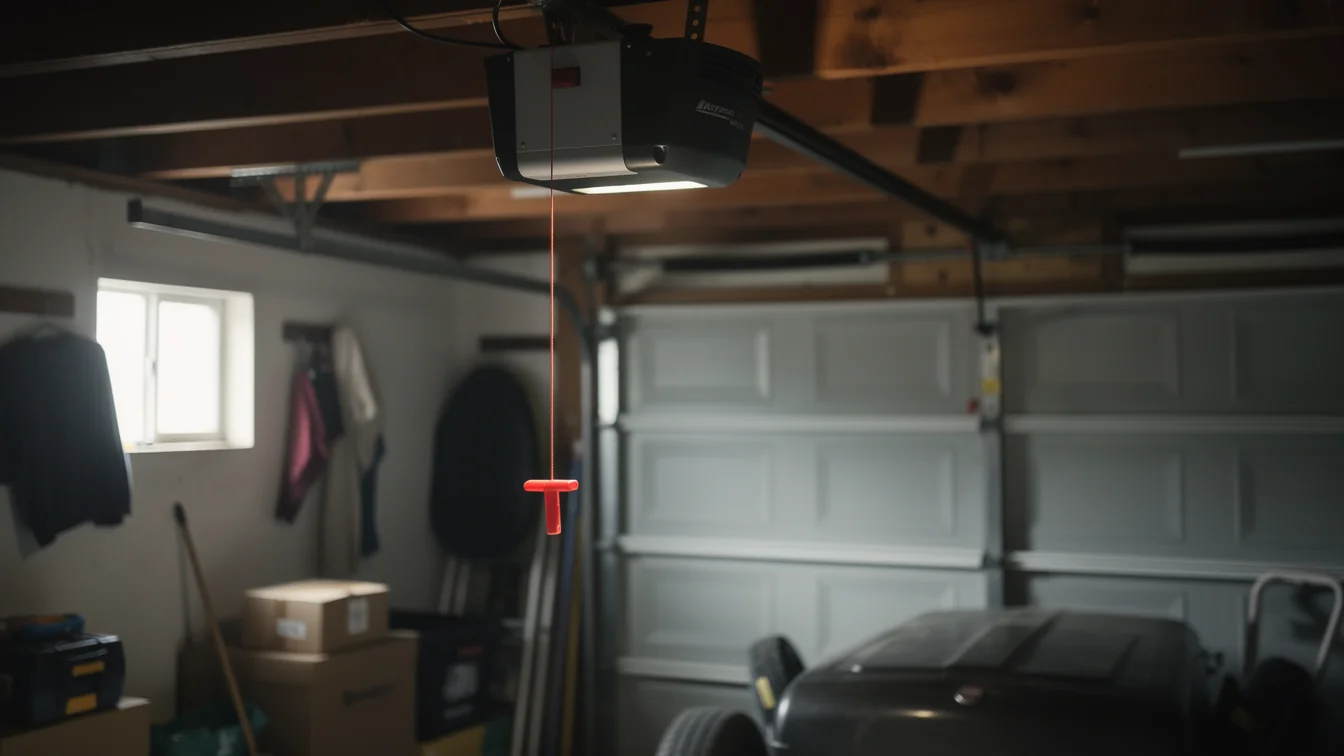
The mistake we see most is someone manually releasing the door during an outage, forcing it back down by hand without disengaging the opener drive first, then wondering why the opener grinds or won't re-engage once power's back. On an older chain-drive unit - common in the 1960s and 70s housing that makes up most of the stock around here - that drive gear isn't built to be forced against resistance, and a season or two of that habit wears it out early.
The second mistake is assuming the opener failed when it's actually the circuit. With household incomes here generally supporting homes that have had a few decades of electrical updates layered on top of original 1960s wiring, it's common for a garage outlet to be on an older breaker that trips under cold-weather load before the opener motor itself has any problem. Checking the breaker first saves a service call half the time.
The honest limitation: if the opener is original to a house built in the 60s or 70s and the gearbox has already started grinding, we usually tell people to replace rather than repair. Parts for openers that old aren't something we stock, and sourcing them takes longer than most people want to wait out a winter without a working door.
The Situation
Across the towns we serve - Kingston, Rocky Hill, Princeton Junction, Montgomery, Hopewell, Cranbury, and the rest - the housing built between 1938 and 2004 means we're working on a wide spread of opener ages in any given week, not one standard setup. A call in an older Skillman or Belle Mead section often means an opener that's outlived its warranty by a decade; a call in the newer stock toward Princeton Meadows or Twin Rivers is usually a more modern unit with a different set of problems.
The cold-severe climate band doesn't care which decade your house was built in, though. It stresses every opener the same way, just faster on the older ones. If you're in one of the areas we cover and your door has started acting up specifically during cold spells or right after the power flickers, that pattern is worth mentioning when you call - it tells us more than
Frequently asked questions
Why does my opener only act up when the power goes out?
On older openers, especially the chain-drive units common in 1960s and 70s houses, a power outage forces a manual release that stresses gears not built for it. Combine that with this area's cold-severe winters and you get openers that fail specifically on the coldest, most power-unstable nights rather than on a mild afternoon.
Should I get a battery backup for my opener?
It depends on how often your street loses power and how old your opener is - we don't have pricing or outage-frequency data to give you a blanket answer. What we can say is that in a cold-severe climate, an outage and a cold snap often hit the same week, so it's a fair question to ask when you're already getting an opener serviced.
Is it worth repairing an opener from a 1960s or 70s house?
Often not. Parts for openers that old aren't something we stock, and by the time the gearbox is grinding, sourcing those parts usually takes longer than most people want to go without a working door. Replacement is frequently the more honest answer.
My breaker keeps tripping when I run the opener in cold weather - is that the opener?
Not necessarily. A lot of the garages in this area's older housing stock run openers on original circuits that weren't sized for today's load, and cold weather increases draw. Check the breaker before assuming the opener motor has failed.
Related garage door services in Princeton
More garage door guides
Book garage door service in Princeton
Call now or request a quote - tell us what the door is doing and where you are.